How to Unclog a Bathtub Drain
Updated August 18, 2026
How To Unclog Bathtub Drain
A clogged bathtub drain can be quite the hassle, leaving water to pool in the tub and even leading to overflow in extreme cases. Don’t worry, though, there are ways to fix a clogged drain yourself.
You’ve come to the right place if you want to learn how to unclog bathroom drains. Our experts at City Rooter have put together a collection of advice and tips to unclogging bathtub drains. There are a variety of simple solutions to get your plumbing system back on track. Whether your clogged bathtub drain is a result of hair, foreign objects, or simply extended use, you can find all answers you need below.
Why Is Your Bathtub Drain Clogged?
A clogged tub drain can be a huge source of frustration, especially if you only have one bathtub. Fixing your clogged bathtub drain begins with identifying the source of the problem.
Depending on the cause, there are different unclogging techniques you can use, such as how to unclog a bathtub drain full of hair versus a drain clogged with bath toys.
Here are some possible reasons for your clogged bathtub drain:
- Hair build-up — One of the main reasons for clogged bathtub drains, hair can stick to your pipes and accumulate there, creating blockages.
- Soap scum and residue — Soap scum and residue is inevitable in a bathtub, but too much of it will block your pipes.
- Hard water — Hard water contains high levels of minerals, which can end up sticking to your pipes, building-up over time and restricting water flow.
- Dirt and grime — Dirt and grime, like grease and oils, can also accumulate in your pipes, slowing drainage and causing blockages.
- Bath bomb components (glitter, Epson salts, flower petals, etc.) — When washed down the drain, bath bomb components that don’t dissolve can get stuck and cause clogs to occur.
- Corroded, dented, or worn pipes — Sometimes, the issue has to do with the pipes themselves. Corroded, dented, or worn pipes can restrict water flow and should be fixed immediately when identified as the problem.
- Foreign objects (bath toys, beauty products, shower caps, etc.) — Foreign objects like bath toys can accidentally fall down the drain, blocking the pipe and causing water to back-up.
Tools & Materials You’ll Need
Before moving forward with unclogging a bathtub drain, you will need to prepare the proper tools and materials. This includes:
- Rubber gloves — You will need to wear rubber gloves to protect your hands while you attempt unclogging the drain, keeping them safe and clean from germs.
- Pliers — Pliers may be needed to remove your bathtub stopper or visible blockages like hair and debris.
- Baking soda and vinegar — A 1/2 cup of baking soda and 1/2 cup of vinegar are needed to create a solution that can be poured down the drain.
- Plunger — A cup plunger is the best type for bathtubs. Make sure that it has a firm rubber cup and a solid handle that you can easily hold for better control.
- Drain snake — A hand-crank drain snake can be used to break up or pull out clogs.
How to Unclog Bathtub Drain
The first option you may turn to when your bathtub won’t drain is chemical cleaners. While drain cleaners can be incredibly helpful, using them repeatedly can damage your pipes over time. Here is a list of steps on how to unclog bathtub drains effectively and efficiently.
- Remove the Bathtub Stopper or Strainer. Every tub drain is different, and some stoppers are easier to remove than others. Depending on the type of drain, you may be able to pull out the stopper with your fingers, or it may require tools, such as pliers or a wrench. First, removing the bathtub stopper or strainer will provide you with more access to the drain, making it easier to begin the unclogging process.
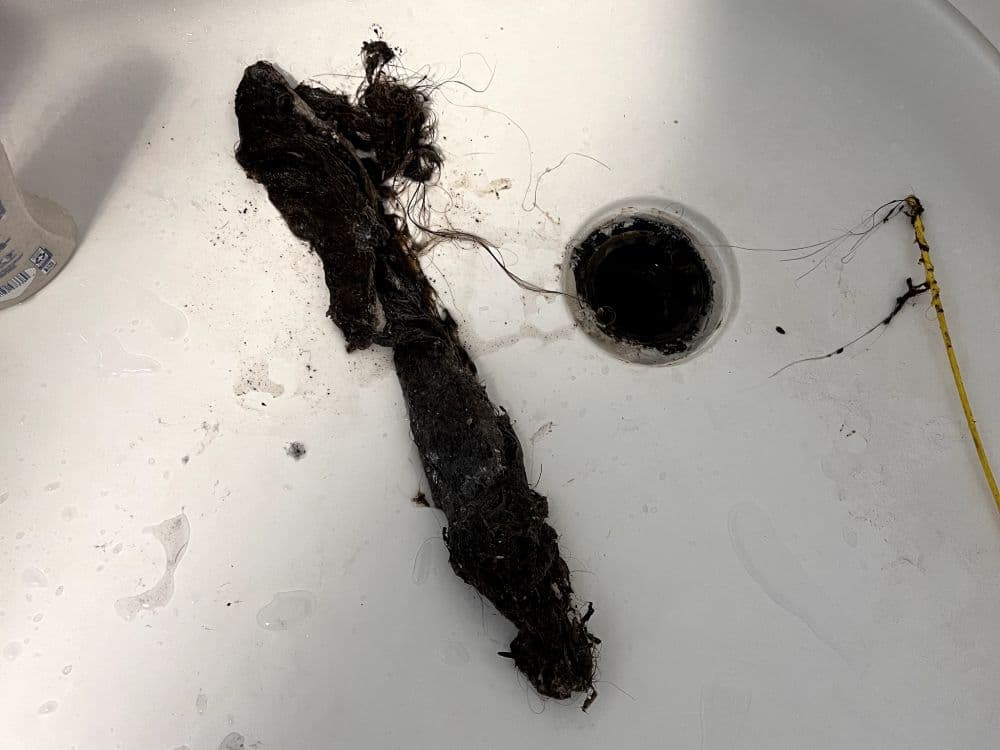
- Dispose of Easy-to-Reach Hair or Debris. Using a screwdriver, your hands, a wire coat hanger, or needle-nose pliers, remove any blockages from the drain. Once the drain components are clear, rinse off any remaining grime with water. Next, it’s best to remove any visible blockages before using another unclogging method, as this will help clear up the drain a little bit more for additional access to the major blockages.
- Flush the drain with boiling water. If you choose to pour the baking soda and vinegar down the drain, wait 30 minutes for it to work. After that time is up, flush the drain again with boiling water. You can repeat this whole process if your drain is still clogged, and if it doesn’t work the second time, move on to the next method. Using a kettle or the stove top, boil approximately two litres of water. Slowly pour the water down the clogged bathtub drain to dissolve and dislodge soap scum and blockages. As an additional measure, you can pour ½-1 cup of baking soda down the drain, followed by ½-1 cup of vinegar.
- Plunge the Clogged Tub Drain. To test if plunging has worked to clear the clogged bathtub drain, run the bath water and see how well it drains. If the water is still slow to go down the drain, it’s time to move on to a different method. Plunging a bathtub drain is very similar to unclogging a toilet. Fill the drain with a few inches of hot water and place the plunger over top. Push down on the plunger repeatedly to pull out the blockages.
- Use a Drain Snake. Carefully insert the drain snake into the drain, stopping when you feel resistance. Turn the handle so that it can either grab the clog or break through it. After a few turns, slowly pull the snake out. Have a towel on hand to clean the debris off the drain snake. Then, run the bath water to see how well it drains. If needed, repeat the process a few more times.
Tips to Stop Clogged Tub Drain
Here are a few tips to avoid a clogged tub drain:
- Install hair catchers and drain protectors — This is a simple and effective step that goes a long way to preventing a clogged bathtub drain.
- Wash off makeup before getting into the bathtub — The oil from makeup can leave a residue in your pipes that builds up and creates clogs, so removing your makeup before getting into the tub is a good way to avoid that.
- Avoid bath products that don’t dissolve in water — Bath bomb components like glitter or flower petals don’t dissolve in water, so avoid buying and using them in order to prevent blockages in your drain.
- Keep up with pipe maintenance regularly — Routine maintenance is one of the best ways to stop clogs from happening. For example, once a week, you can remove visible blockages like hair and debris, and once a month, pour boiling water and a baking soda/vinegar solution down the drain.
When to Call a Professional Plumber
If you are unable to unclog your bathtub drain with the steps outlined above or you notice signs that may indicate a larger problem. Watch out for these signs such as water backing up into other drains, like the bathroom sink, and strange smells or gurgling noises coming from the drain, then it’s time to call a professional plumber.
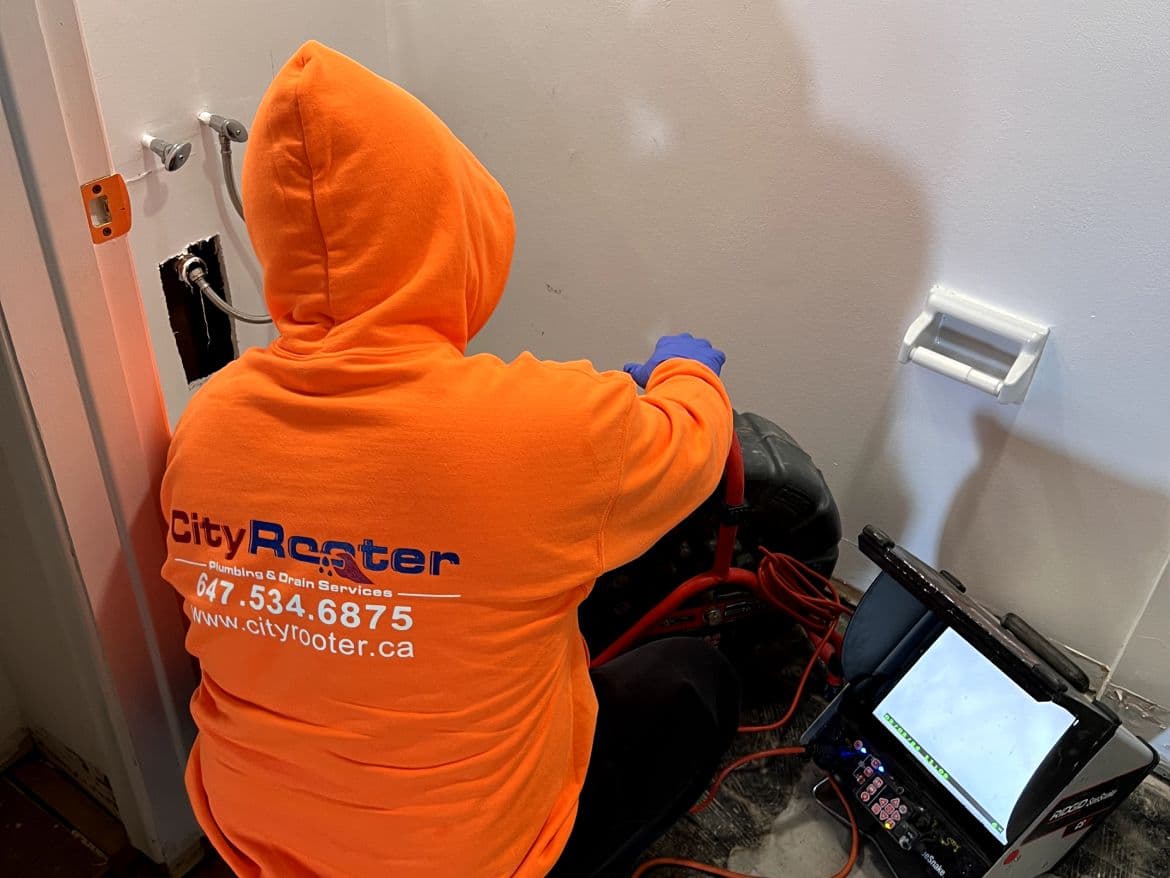
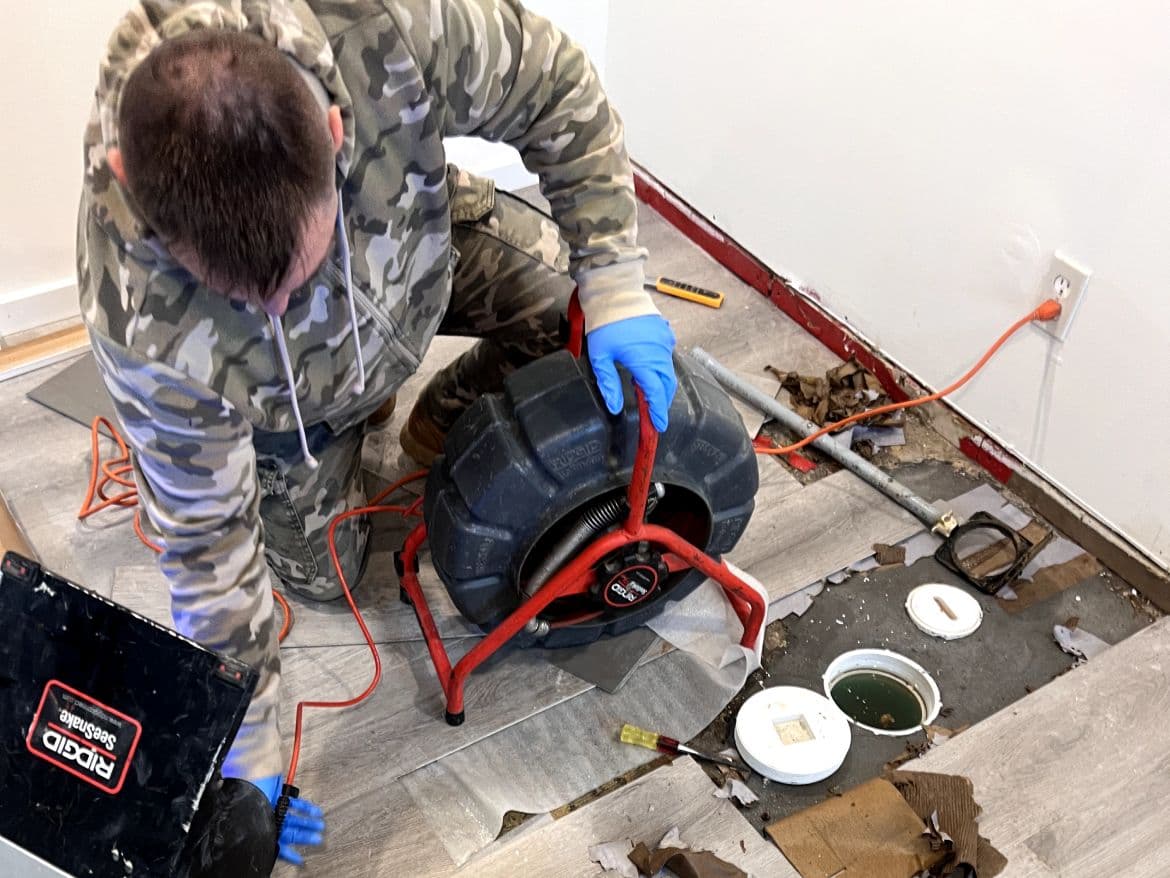
Using specialized tools, a plumber will be able safely fix a clogged drain without damaging your pipes and ensure that everything is in working order.
Cost to Unclog a Bathtub Drain
At City Rooter, the cost to fix a clogged bathtub drain starts at $225.
However, costs can fluctuate based on a variety of factors, such as the drain type, the severity of the blockage, the complexity of the work, and general labour rates.
Following a site assessment, we will provide you with a quote specific to your situation. For more information, feel free to reach out to us at any time.
FAQs
Pouring boiling water down your drain, followed by a mixture of a 1/2 cup of baking soda and 1/2 cup of vinegar, can effectively break down debris in your pipes and clear blockages.
While wearing rubber gloves, first pull out any hair you can with your hands. Then, use a drain snake, or even a bent wire hanger, to reach down into the drain and pull out the hair.
Yes, a plunger typically works quite well for clearing clogs.
Yes, combine a 1/2 cup of vinegar with a 1/2 cup of baking soda. Pour this solution down the drain, and it should help clear blockages.
Most bathtub drain stoppers have a visible clip or screw that needs to be removed first. Afterwards, it should be easy to pull the stopper out with your hands.
If this is the case, there might be a deeper blockage that needs expert assistance. Contact a professional plumber to help you with this.