Why Do I Have Low Water Pressure at Home?
Updated August 18, 2026
Why Do I Have Low Water Pressure in House?
Low water pressure can result in a weak shower, a toilet that takes longer to refill, a slow-running faucet, or appliances that seem to run less efficiently. In some cases, the issue affects only one fixture, while in others it impacts your entire home.
The cause can be something simple, such as a clogged fixture or a partially closed shutoff valve, but it can also point to a larger plumbing problem. Low water pressure at home can happen because of leaks, damaged water lines, pressure regulator problems, and pipe corrosion. Identifying the source of the issue is the first step toward restoring normal water flow throughout your house.
Common Signs of Low Water Pressure
Low water pressure does not always appear the same way. The signs can vary depending on where the issue originates and how much of the plumbing system is affected.
If you notice one or more of these symptoms, it may be time to investigate why your water pressure is low before the problem becomes worse.
- Weak shower flow that makes rinsing difficult
- Slow-filling toilet tank after flushing
- Low water pressure in the kitchen sink when washing dishes or preparing food
- Dishwasher or washing machine taking longer than usual to fill
- Pressure dropping when more than one fixture is being used at the same time
- Sudden pressure loss throughout the entire house
- Reduced water flow from both hot and cold taps
Common Causes of Low Water Pressure at Home
Low water pressure can result from fixture-specific issues, aging plumbing components, or problems affecting your home’s water supply. Below are some of the most common causes you may encounter at home:
Buildup of Debris in Pipes as a reason of the low water pressure
Debris such as hard water, food, dirt, grease, and foreign objects can clog your drains and water pipes, obstructing water flow and decreasing your water pressure. This buildup can be a result of extended use or physical problems, such as fractured water mains.
Aside from the water pipes and drains, your faucets, showerheads, and dishwasher hoses can also become blocked. Try to remove any blockage and clean the pipe with proper drain cleaning solution.
Clogged or Corroded Water Lines can cause the low water pressure
When pipes are corroded with limescale or other mineral buildup, the water’s pathway becomes narrower, restricting the flow of water and lower the water pressure. Corrosion typically affects galvanized steel pipes after 20 years, copper pipes over the course of 50 years, and brass pipes within the span of 40 to 70 years.
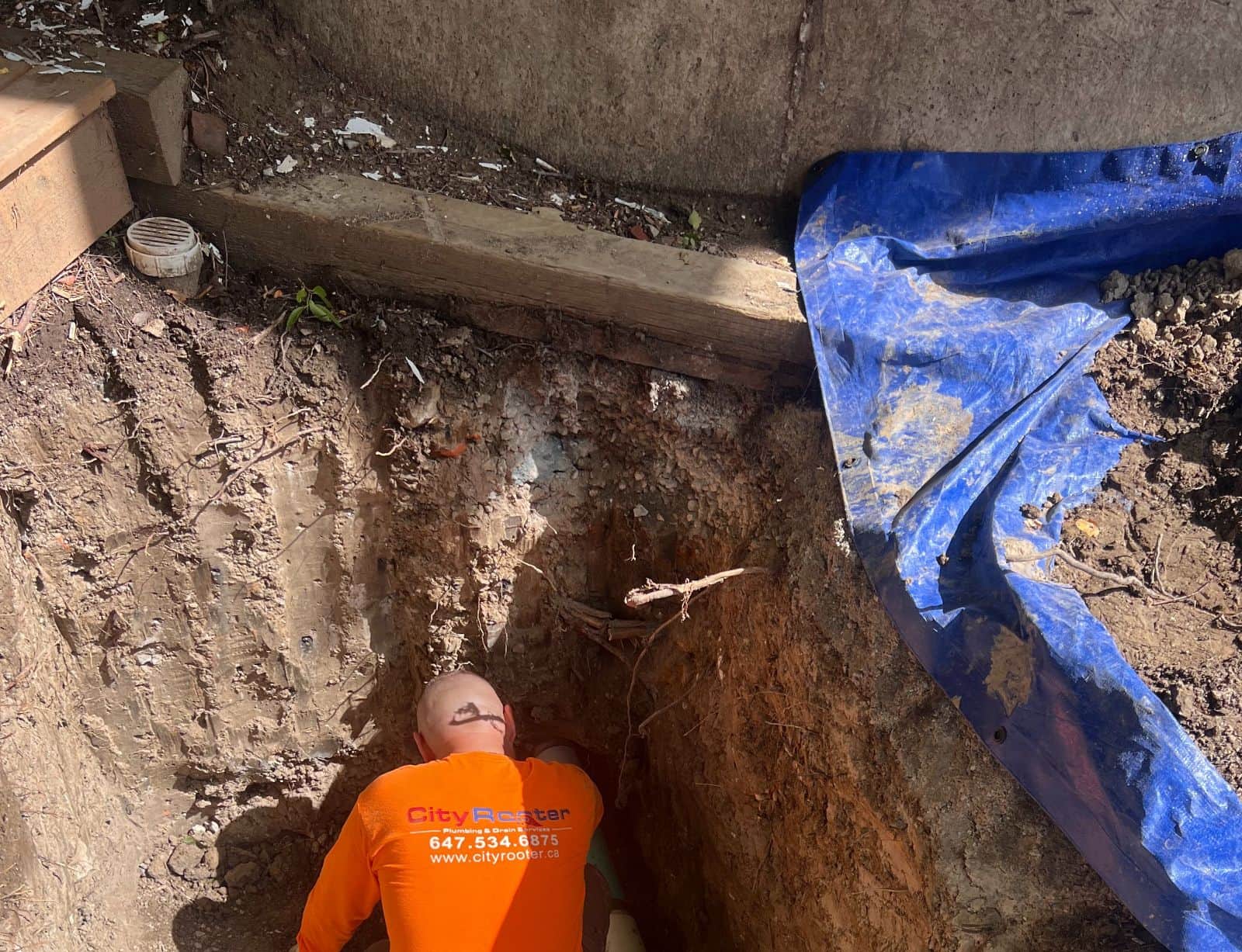
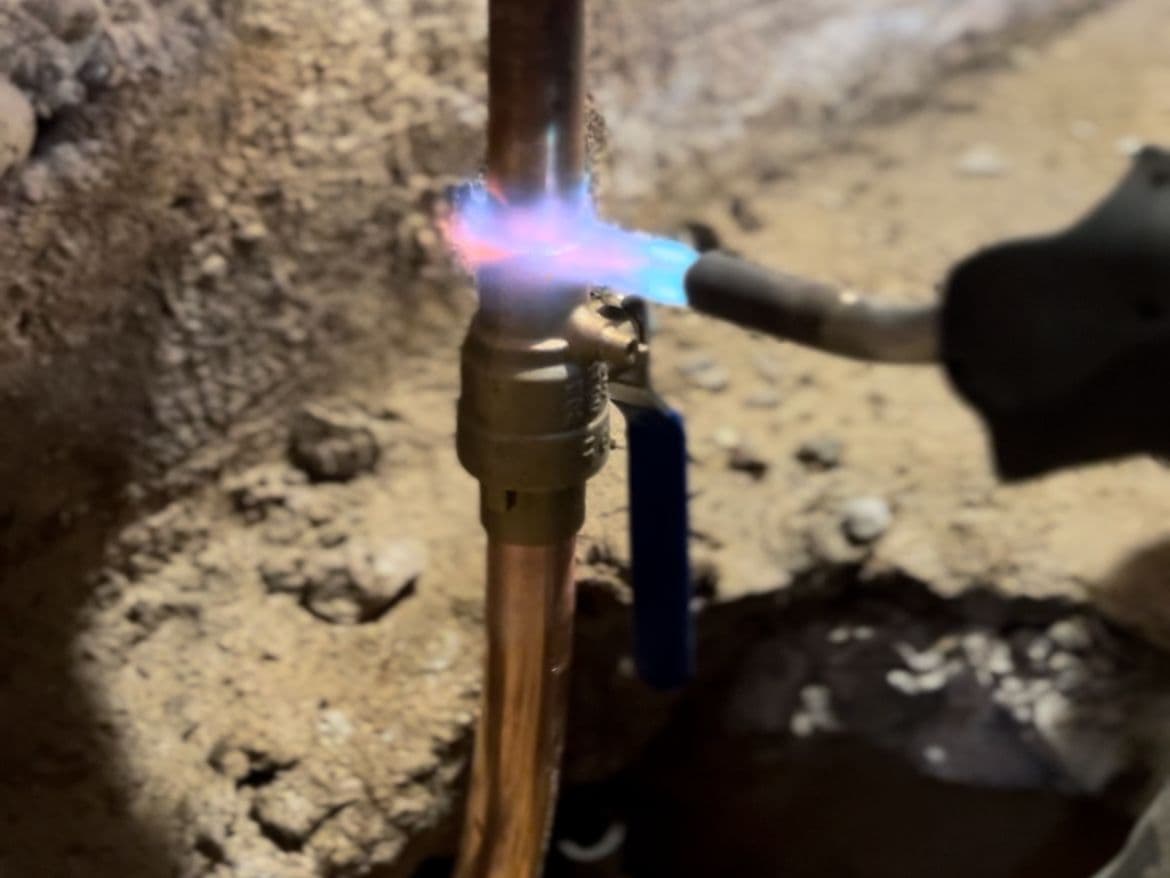
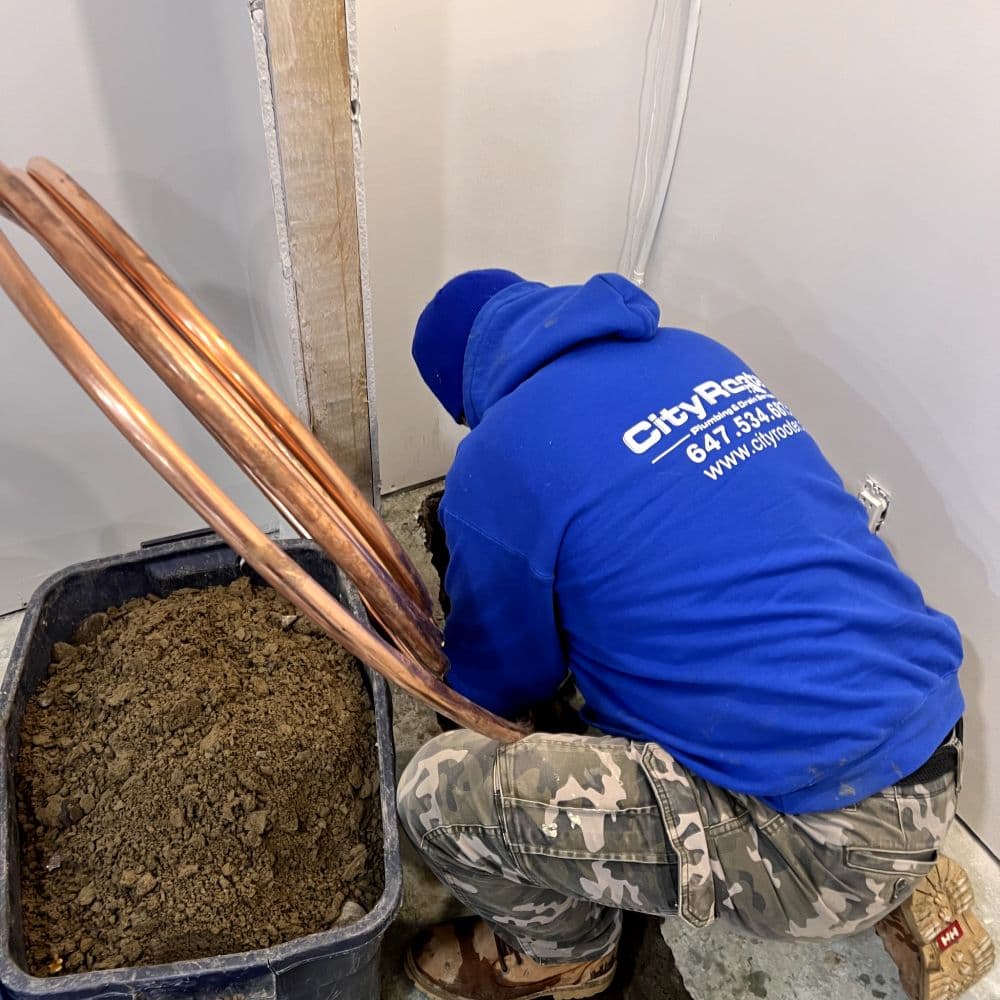
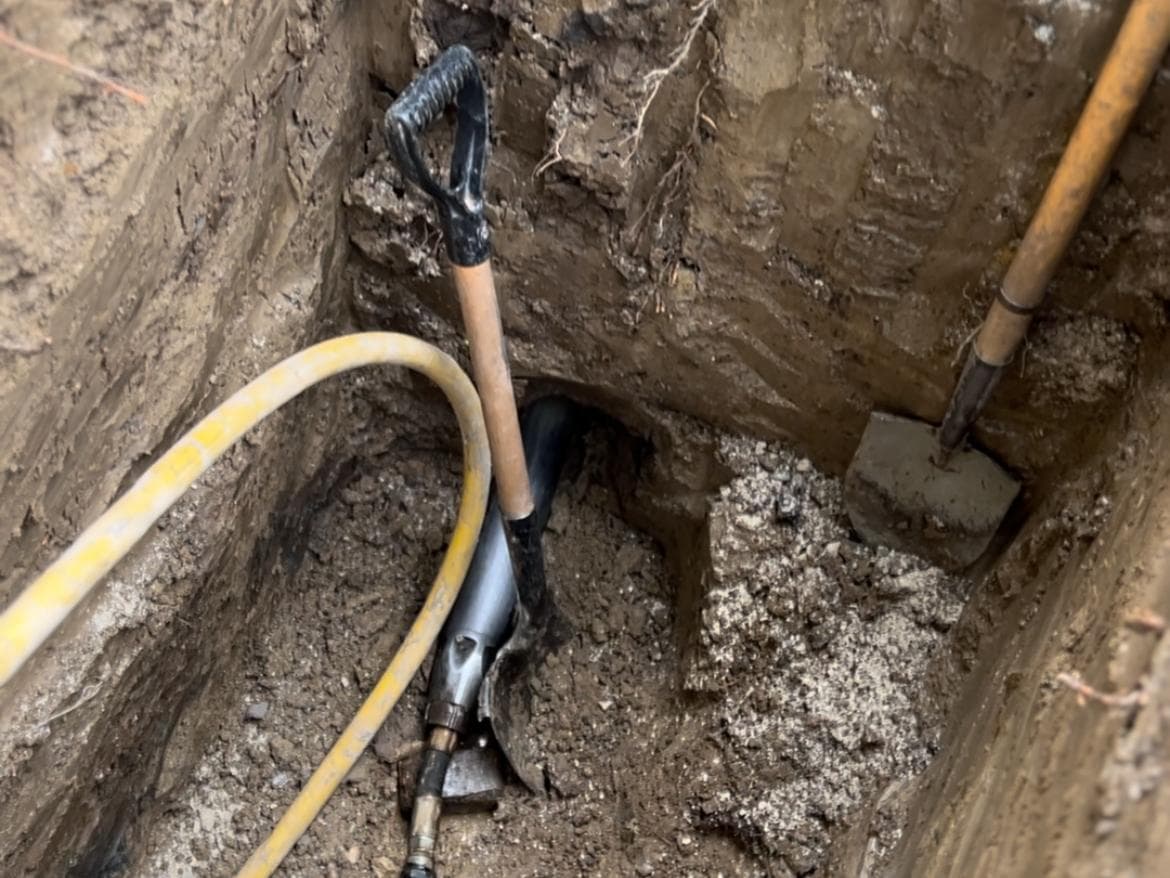
Untreated corroded pipes can develop holes and produce leaks. In these cases, to fix the low water pressure, you might need a water line upgrade or waterline replacement.
Issue with Water Shutoff Valve
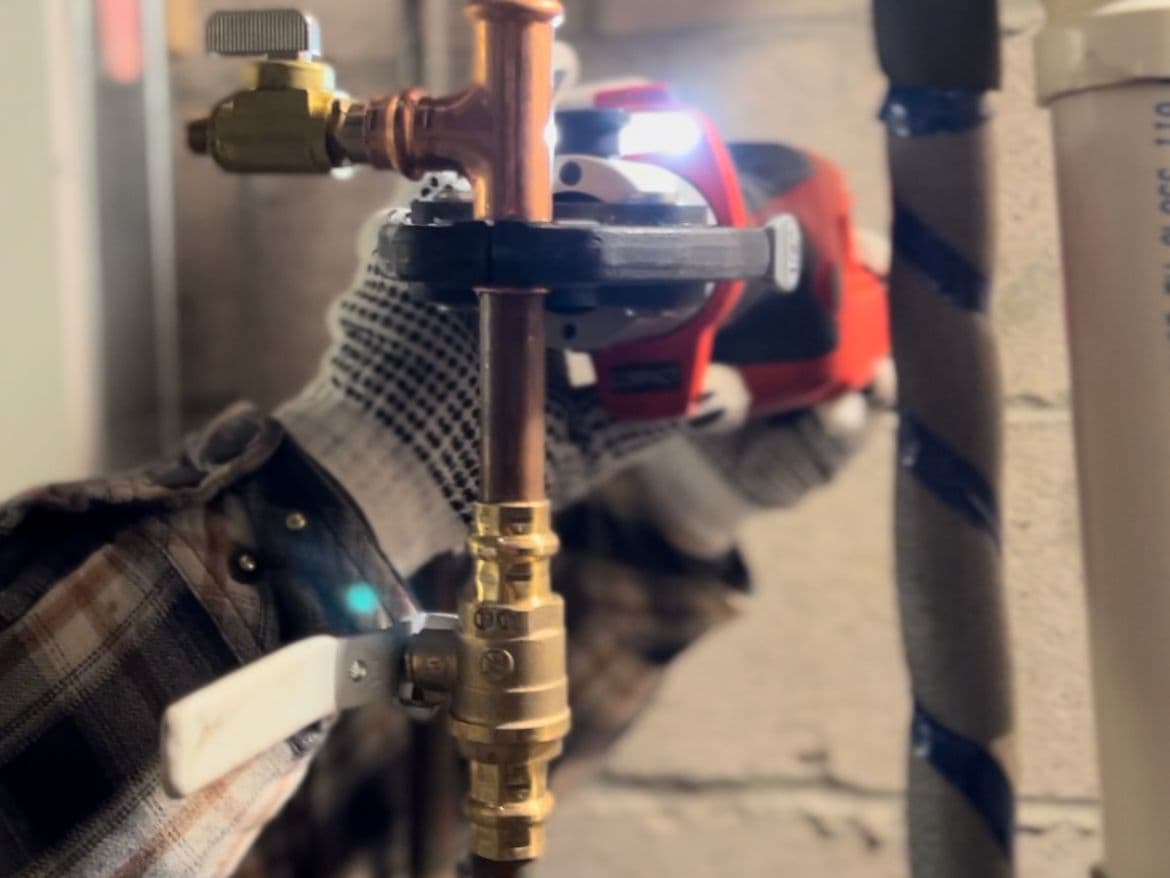
Water shutoff valves control the flow of water that enters your home. If the valve is closed, you’ll have no water pressure. If it’s partially open, the water pressure will be low. Different valves, including ball, lever, wheel, and gate valves, have their own distinct way of opening.
Once opened, look for any blockage, mineral buildup or visible damage. Try cleaning and draining the valve for any remaining water. If this doesn’t solve the issue, you may need to replace the valve.
Issue with Water Meter Valve
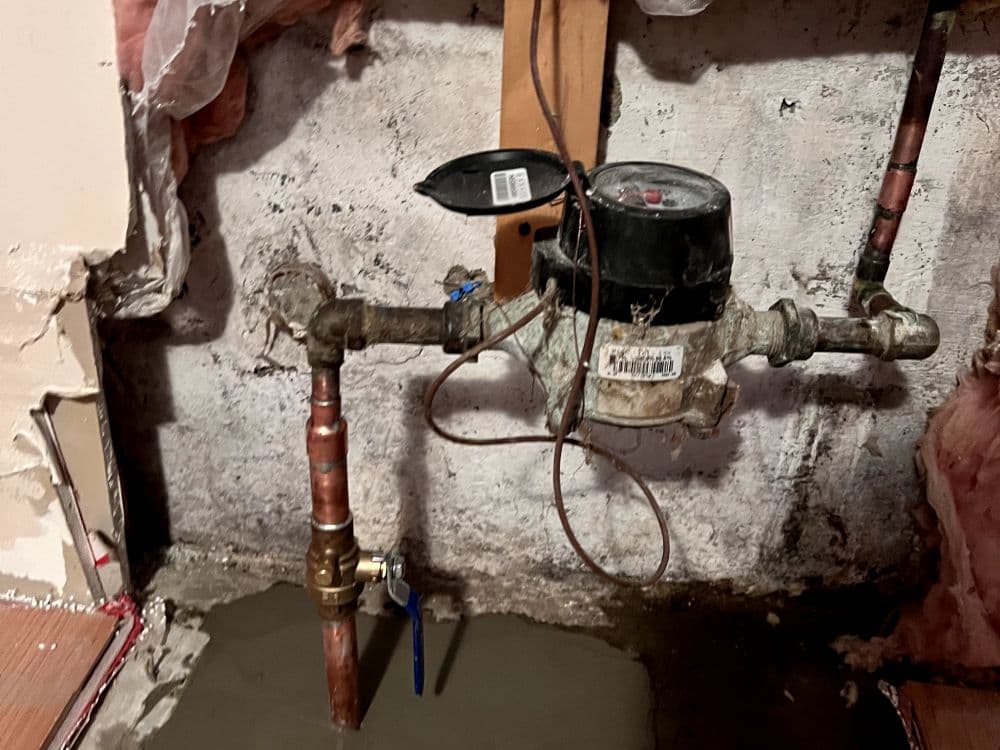
In addition to water shutoff valves, there are also water meter valves. Similarly to a shutoff valve, if the meter valve is partially open or fully closed, you will encounter water pressure issues.
Water meters are typically located beside the main valve. Other than cleaning the valve, do not attempt any repairs without contacting your utility provider.
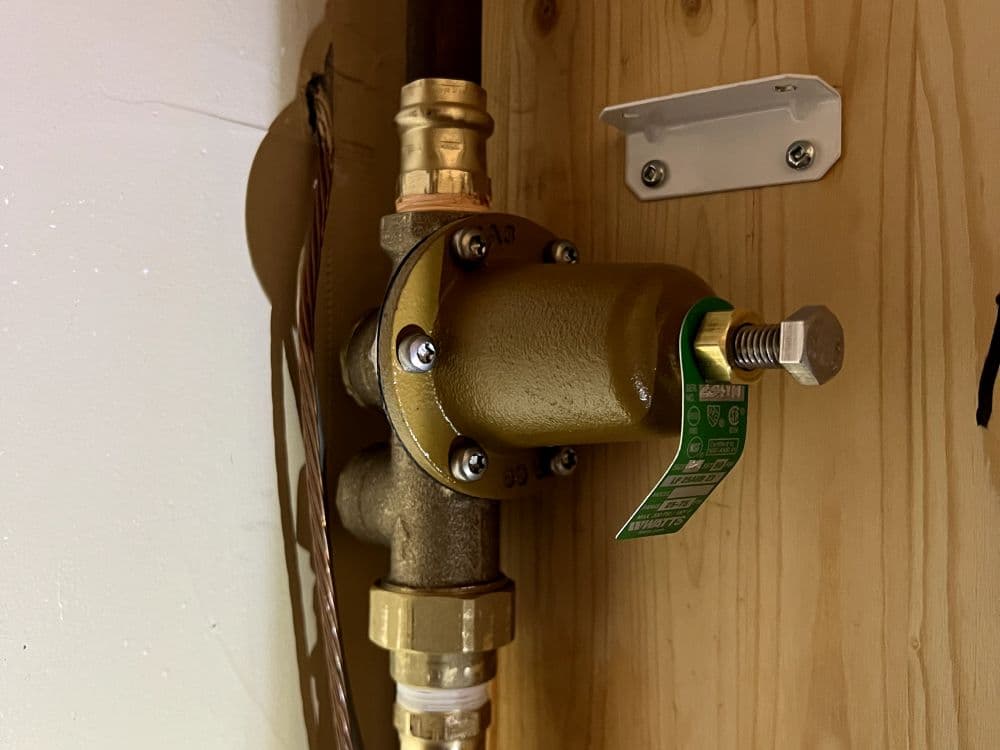
Faulty Pressure Regulator
Some homes have water pressure tanks. These tanks use compressed air to store water under pressure. Water pressure problems can occur if the tank’s pressure regulator is malfunctioning or failing.
Alternatively, the regulator could also be set incorrectly, leading to low or high water pressure. While you can often make regulator adjustments yourself, a professional plumber is required for faulty pressure regulator replacements.
Plumbing Leak
Low water pressure can be caused by leaking pipes. Leaks need to be addressed immediately as they can lead to even bigger problems, including water damage, rot, and mould or mildew growth.
These issues can worsen if left untreated, as prolonged water damage may cause structural problems as well. If you can’t locate the leak, contact a plumber for plumbing repair.
How to Fix Low Water Pressure Before Calling a Plumber
Before scheduling a plumbing inspection, there are a few simple checks you can perform. By following these steps, you can help identify if issues are minor or narrow down the source of the problem.
If you have low water pressure in the house suddenly or the issue affects multiple fixtures throughout your home, professional diagnosis is usually the next step. A City Rooter plumber can determine how to fix low water pressure and identify any hidden plumbing concerns.
- Ask neighbours if they are experiencing the same plumbing issue. If they are, the problem may be related to the municipal water supply.
- Remove and clean faucet aerators to clear mineral deposits and debris.
- Clean showerheads if you have noticed low water pressure in the shower.
- Confirm that main shutoff valves and fixture valves are fully open.
- Look for visible leaks around faucets, toilets, exposed pipes, and appliances.
- Test both hot and cold water. If only the hot side is affected, the issue may involve the water heater or related plumbing.
- Monitor pressure levels throughout the day to see if the problem changes.
When to Call a Plumber for Low Water Pressure
If the water flow is still not improved after basic troubleshooting, a professional inspection can help identify the underlying cause. Persistent low water pressure in the house may indicate a problem within your plumbing system that requires drain repairs or replacement.
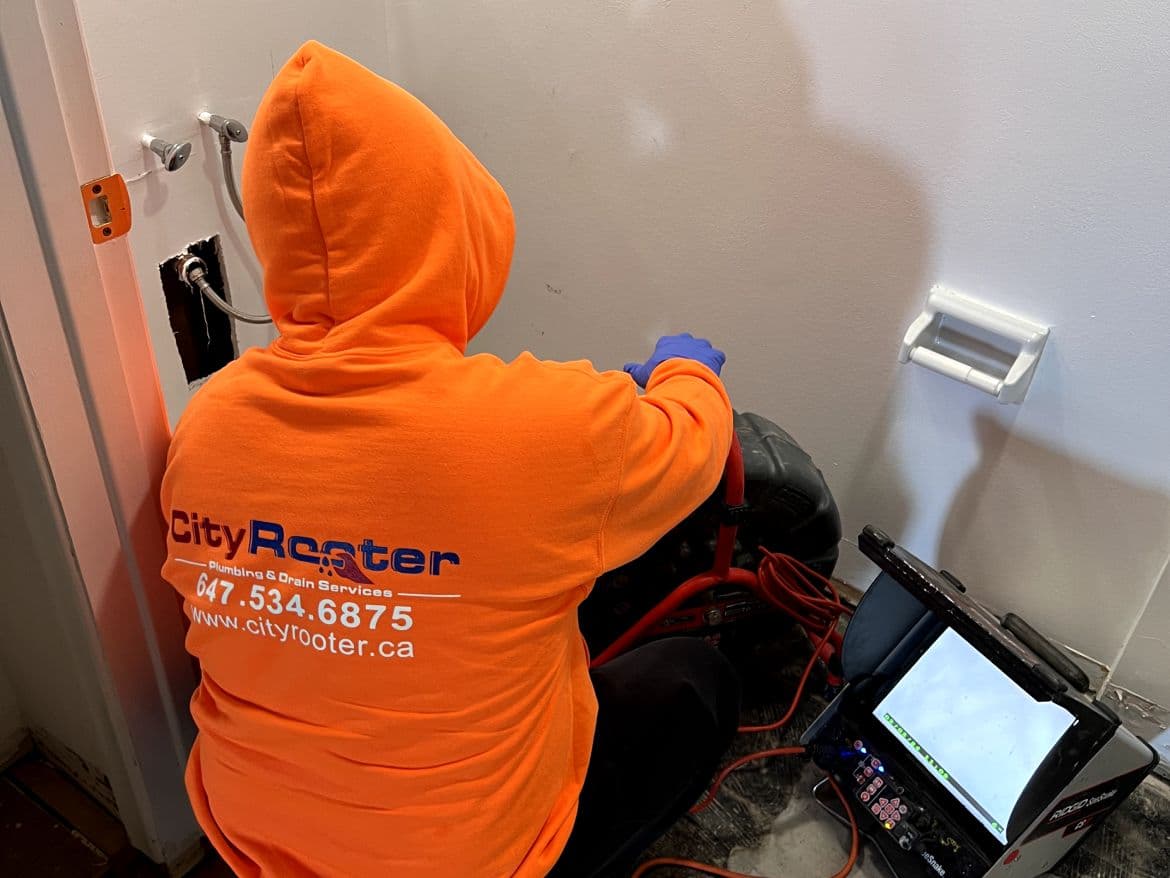
City Rooter can inspect:
Professional testing can determine if the problem is isolated to a fixture or connected to a larger issue affecting your home’s plumbing network. Prompt drain camera inspection can help prevent further damage and restore consistent water pressure throughout your property.
Call Us (647) 534-6875
- Water lines
- Pressure regulators, including the water pressure regulator
- Hidden and visible leaks
- Clogged pipes
- Corroded plumbing
- Main water supply issues