How to Prevent Basement Flooding After Toronto’s 100-Year Storm
Updated September 4, 2026
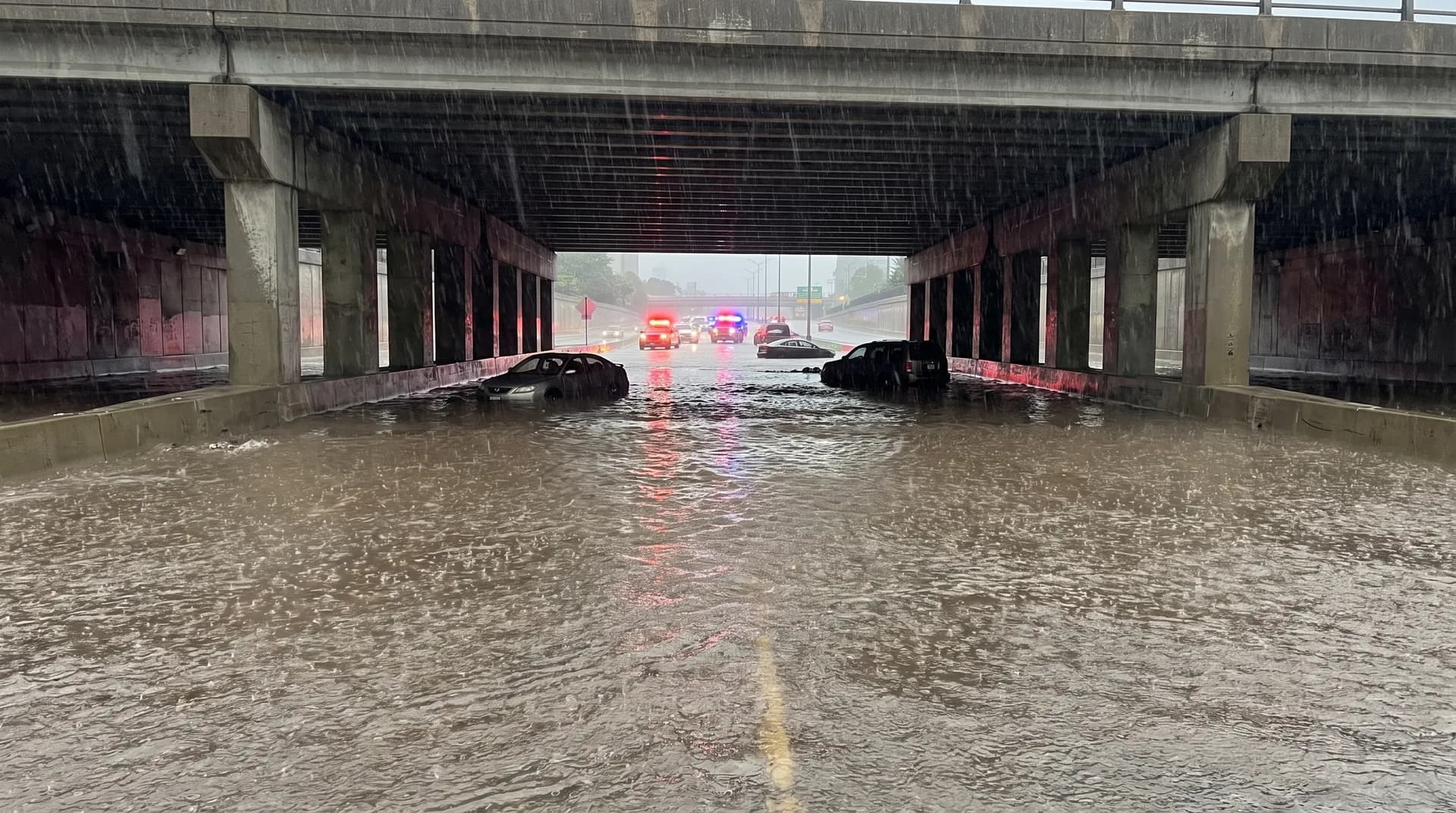
Did this week’s storm put water in your basement? Many Toronto and GTA homeowners are asking the same thing after a 100-year thunderstorm dumped about 100 millimetres of rain on the city. Some neighbourhoods saw less. Others saw more than 100 millimetres in a short window. Roads filled, the Don Valley Parkway closed, and about 65,000 homes lost power at the peak. That is a hard night for any house, and it is especially hard if you have a finished basement.
The good news is that basement flooding in Toronto is often preventable. A backwater valve, a working sump pump with backup power, and a clear main drain make a real difference before the next heavy rain. This guide explains what the storm did, why water comes in, and what you can do now.
What this storm did to homes
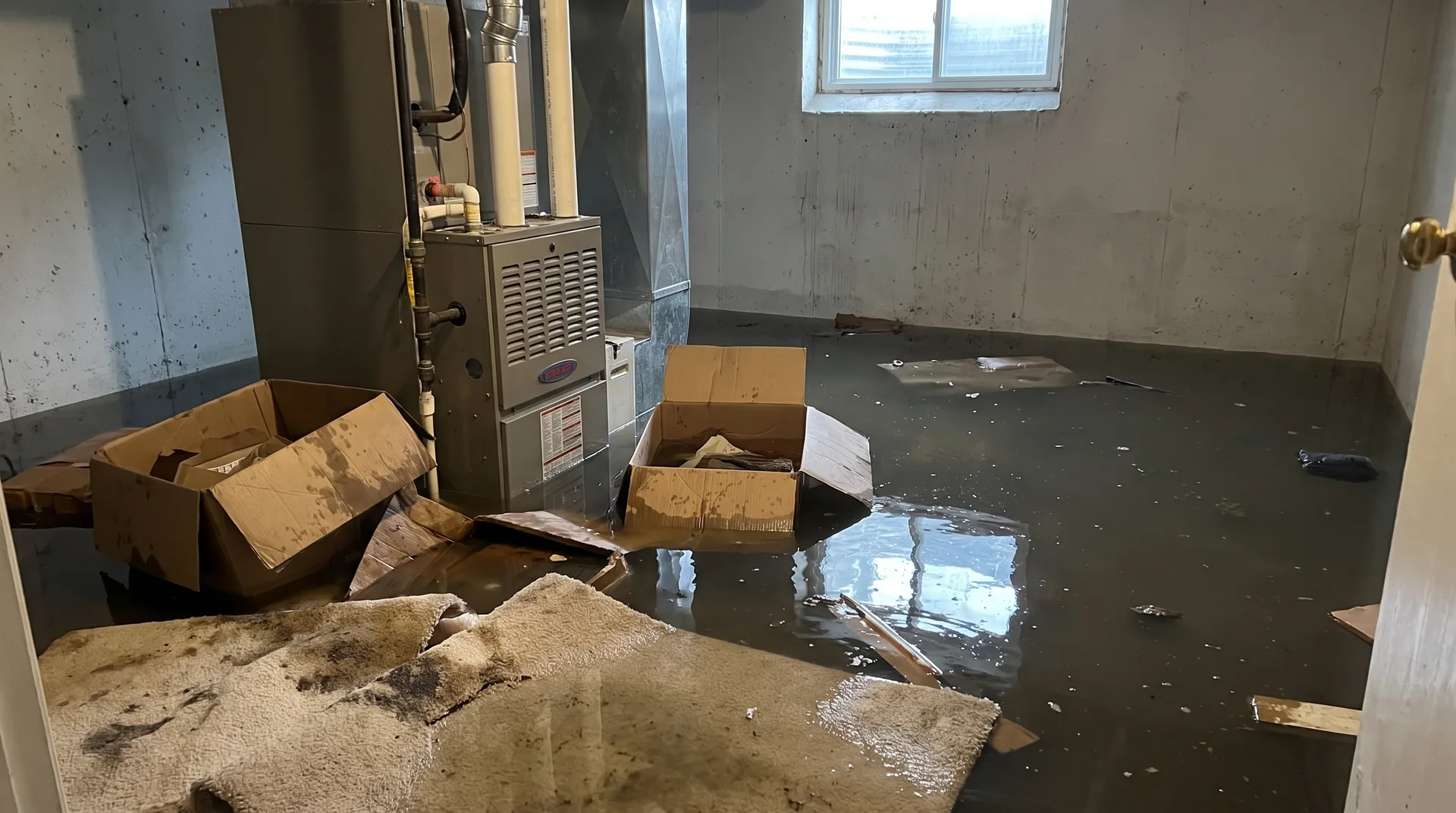
Hail, wind, and rain knocked down trees, delayed transit, and left cars sitting in water. Fire crews took about 1,500 calls, including water rescues. Plenty of homeowners woke up to wet carpet, ruined boxes, and a smell they will not forget. If your sump pump stopped when the power went out, you saw how fast a pit can overflow.
The painful part is not only the water. It is the family photos, the kids’ toys, and the furnace that sat in dirty water. Some of that water is rain. Some of it is sewage that came back up the main drain when the city sewer was overloaded. Those two problems need different fixes, and it helps to know which one you had.
Why Toronto basements flood
Toronto basements flood for three common reasons, and a heavy storm can trigger more than one at the same time.
- City sewer surcharge. The municipal line cannot take the extra rain, so wastewater reverses into the lowest drains in your home. That is often the basement floor drain, the laundry tub, or a toilet.
- Groundwater. Water rises around the foundation and should collect in a sump pit, then get pumped outside. If the pump fails, or if there is no pump, the water finds the basement floor.
- Overland flooding. Rain never makes it into a drain. It comes over the yard, down a window well, or under a door. A backwater valve will not stop that water. Eavestroughs, grading, and window-well covers matter here.
If your basement already flooded
If you still have standing water, treat the space as a safety problem first. Stay out if the water reached outlets, the panel, or the furnace. Do not wade through it in bare feet. If you smell sewage, assume it is contaminated and keep children and pets away.
When it is safe, take photos of the water line, the damaged items, and the floor drain before you move anything. Those pictures help with a claim later. Then call for help to remove the water and check the main drain. City Rooter answers emergency plumbing calls 24 hours a day Monday to Saturday, and Sunday from 9 AM to 5 PM, at (647) 534-6875.
How to prevent basement flooding
Preventing basement flooding in Toronto is usually a short list, not a full renovation. The right mix depends on how water got in. One of the first things you should think about is whether sewage came up the drain, or whether clean groundwater came through the floor.
A backwater valve sits on the main drain and closes when the city sewer tries to push waste back toward the house. It is the right choice if sewage came up after this storm. It will not replace a sump pump for groundwater, and many homes need both.
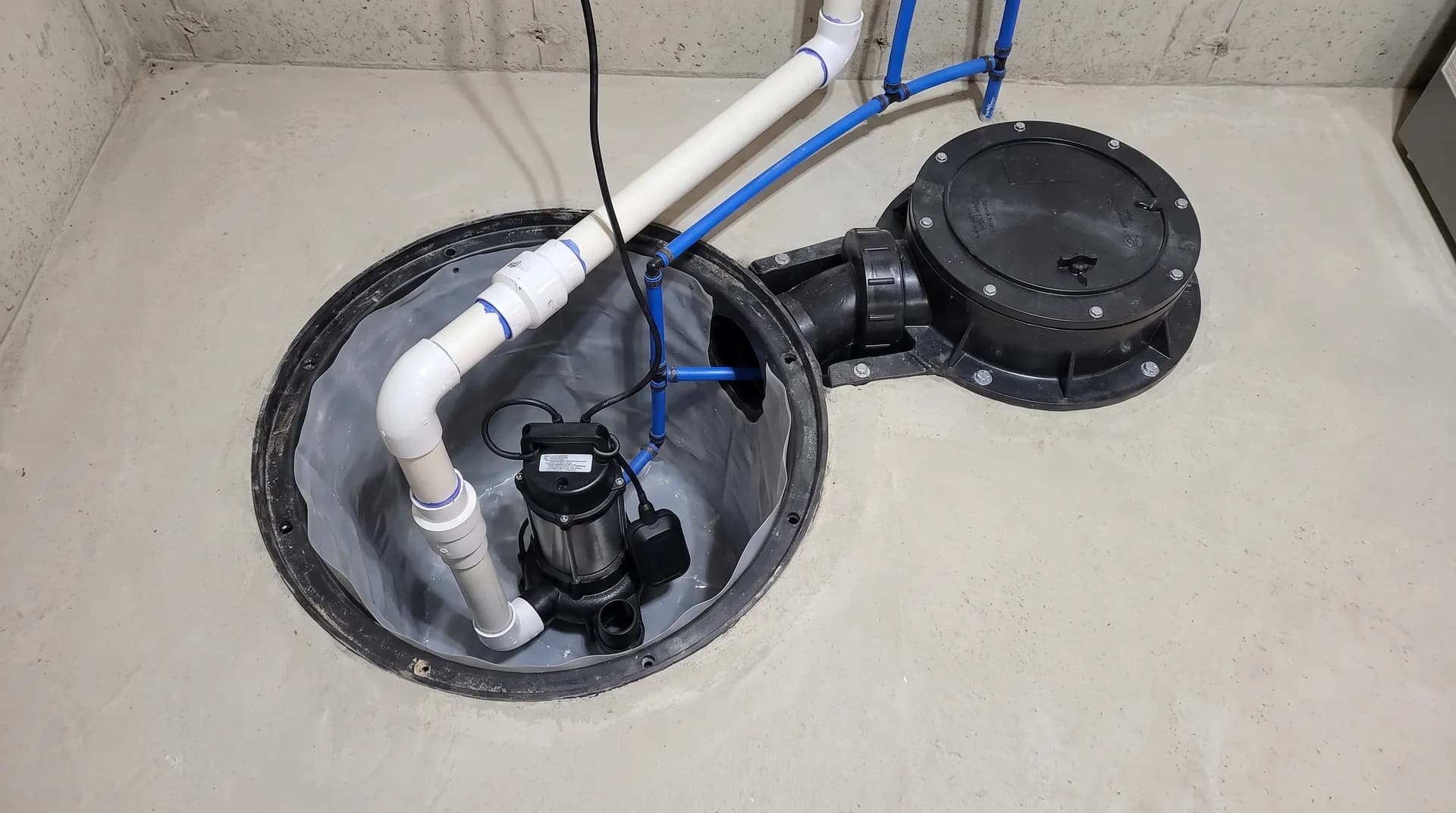
A sump pump sits in the lowest part of the basement and sends groundwater outside through a discharge pipe. This week’s outages showed why a battery backup matters. The pump you trust on a normal rainy day cannot run if the power is out at the worst hour.
Clear drains matter before the next storm, not after it. Leaves in a catch basin, grease in a kitchen line, and roots in an older sewer all reduce how much water your home can move. A camera inspection shows what is inside the pipe so you are not guessing.
Backwater valve installation
A missing or stuck backwater valve is a common reason sewage shows up in a Toronto basement during a surcharge. The valve is installed on the main drain, usually in the basement floor, so it can close when flow reverses.
Homeowners often add one after the first flood, because the second flood costs more than the install. If you are not sure whether you already have a valve, a licensed plumber can find it, test it, and tell you if it needs service or a new install. City Rooter installs backwater valves across Toronto and the GTA and can point you to the current city rebate when the program applies.
Sump pump and battery backup
If your basement takes groundwater, a working sump pump is designed to keep your property safe. Check the pit after a storm. Listen for the pump to kick on. Make sure the discharge line is clear and that water is leaving the house, not looping back toward the foundation.
A battery backup, or a second pump on a different power source, is a worthwhile investment in a city that just saw tens of thousands of homes lose power in one night. We install primary pumps and backup systems, then test them so you can see the pit stay clear.
Keep drains clear before the next storm
You can do a few things at home this weekend. Clean eavestroughs and downspouts. Keep window wells free of leaves. Do not pour grease down the kitchen sink. If a floor drain gurgled during the storm, or if more than one fixture was slow, the main line may need snaking or hydro jetting.
A camera inspection is the honest next step when clogs keep coming back. It shows roots, offsets, and grease so the repair matches the problem. City Rooter can clean the line, camera it, and tell you whether you need a repair or just a thorough clean.
Insurance and rebates, in plain language
Many homeowners are surprised to learn that a standard policy may not cover overland flood or sewer backup unless those riders were added. We are plumbers, not brokers, so we will not tell you what your policy says. We will give you clear photos and a written description of the work, which is what most claims need.
Toronto already raised help for basement flood protection, up to $6,650 on eligible work. Peel, Mississauga, and other GTA cities have their own programs. Our rebates page lists the current amounts and official links. We install the work and give you a paid invoice for the application.
If you want help before the next heavy rain
You do not have to figure out every piece on your own. A qualified local team can check the main drain, test or install a backwater valve, service the sump pump, and clean lines that slowed down this week. Contact City Rooter at (647) 534-6875 or send a quote request if you would like us to take a look. We reply quickly, and you can rest assured we will explain the options in plain language before any work starts.